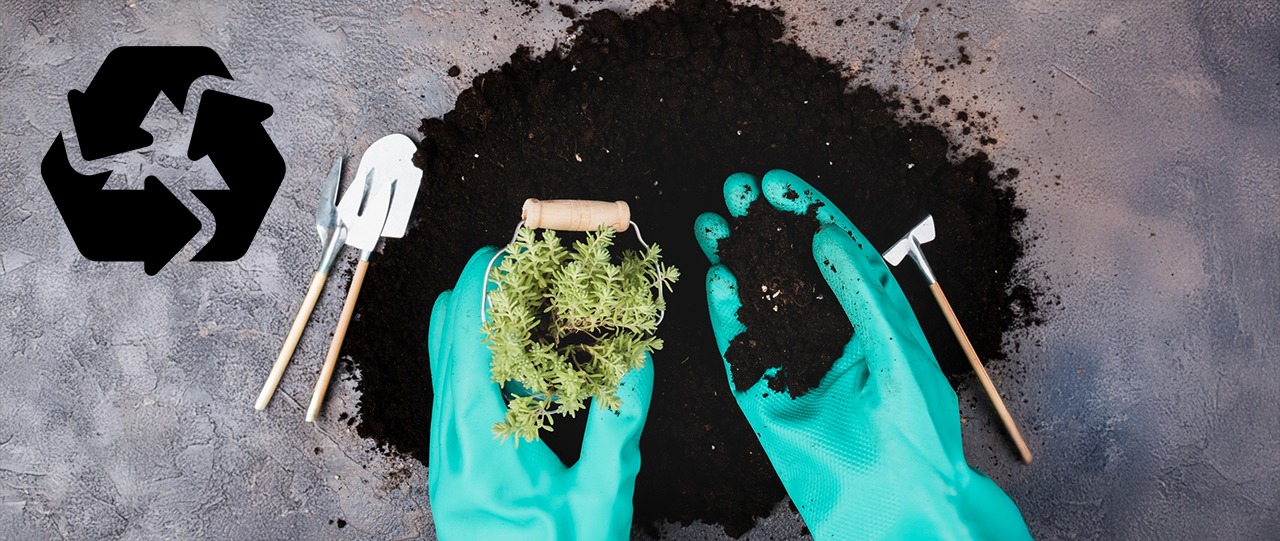
In a world that generates over 2.2 billion tons of municipal solid waste every year, a quiet revolution is taking place in fields, farms, and backyards across the globe. What was once considered “garbage” is now being transformed into one of the most valuable resources for modern agriculture: premium organic fertilizer. Through the natural, scientifically optimized composting process, organic waste is converted into a high-quality soil conditioner that restores soil health, boosts crop yields, and closes the loop in a truly circular economy.
This comprehensive article explores every step of organic fertilizer production, its unmatched advantages over chemical alternatives, the strict quality standards that separate premium products from average compost, and the massive environmental and economic, agricultural, and environmental benefits it delivers.
How Organic Waste is Transformed into Nutrient-Rich Fertilizer
The journey from kitchen scraps and garden clippings to black, earthy, nutrient-packed organic fertilizer is surprisingly simple—yet profoundly powerful.
Step 1: Source Separation and Collection
Premium compost begins with cleaning. High-quality facilities accept only source-separated organic waste:
- Food scraps (vegetable peels, fruit cores, eggshells, coffee grounds)
- Garden and park waste (grass clippings, leaves, small branches)
- Agricultural residues (crop stalks, manure from herbivorous animals)
- Certain food processing by-products
Contaminants like plastic, glass, and meat are strictly excluded.
Step 2: Controlled Aerobic Composting (The Science Made Simple)
Composting is nature’s recycling system accelerated and optimized:
- Shredding & Mixing – Materials are shredded to increase surface area and mixed to achieve the ideal carbon-to-nitrogen ratio (roughly 30:1).
- Thermophilic Phase (50–70 °C) – Naturally occurring bacteria and fungi rapidly break down soft materials. Temperatures above 55 °C for at least 3 consecutive days kill pathogens, weed seeds, and fly larvae.
- Mesophilic Curing Phase (35–50 °C) – Fungi, actinomycetes, and beneficial microbes further stabilize the material, converting ammonia into stable humic substances.
- Maturation (6–12 weeks) – The compost darkens, develops an earthy smell, and reaches biological stability. Volume reduces by 40–60%, concentrating nutrients.
Modern facilities use forced-aeration systems, temperature probes, moisture sensors, and biofilters to ensure odor-free, scientifically perfect composting.
Step 3: Screening and Refinement
Final product is screened to remove any remaining large particles, then often enriched with natural minerals (rock phosphate, basalt dust) or beneficial microbes (mycorrhizae, Trichoderma) to create ultra-premium blends.
The result: a dark, crumbly, sweet-smelling high-quality soil conditioner containing 1–3% nitrogen, 0.5–2% phosphorus, 1–3% potassium, plus a full spectrum of micronutrients and 30–50% stable organic matter.
The Superior Benefits of Organic vs. Chemical Fertilizers
| Aspect | Premium Organic Fertilizer | Chemical (Synthetic) Fertilizer |
| Soil structure | Improves aggregation, porosity, water retention | Can Cause compaction and salinization |
| Long-term nutrient release | Slow, steady, season-long feeding | Rapid burst, high leaching risk |
| Soil biology | Feeds billions of microbes, earthworms | Can harm or kill beneficial organisms |
| Carbon sequestration | Builds soil organic carbon (fights climate change) | Zero contribution |
| pH buffering | Naturally buffers soil pH | Often acidifies soil over time |
| Heavy metal risk | Virtually zero (when source is clean) | Can contain cadmium, uranium, etc. |
| Drought resistance | Increases water-holding capacity by 20–30% | No effect |
| Crop taste & nutrition | Higher vitamins, antioxidant, and sugar content | Often lower nutritional density |
Real-world results:
- Egyptian tomato trials (2023–2024): 27% higher yield and 41% better taste score with premium compost vs. NPK alone.
- Indian rice-wheat systems: 6–8 years of organic fertilization increased soil carbon by 82% and reduced irrigation need by 25%.
Measuring Quality: Standards for Premium Compost Products
Not all compost is created equal. Premium organic fertilizers meet or exceed rigorous international and national standards:
| Parameter | Premium Standard | Ordinary Compost |
| Maturity/Stability | Respirometry < 4 mg CO₂/g OM/day | Often > 8 (still decomposing) |
| Weed seeds & pathogens | Zero viable seeds, fecal coliforms < 1000 MPN/g | Often present |
| Organic matter | ≥ 40% (dry basis) | 20–30% |
| Salt content (EC) | < 4 ds/m | Can exceed 8 dS/m |
| C:N ratio | < 20:1 | Often > 25:1 |
| Heavy metals | Below EU Eco-label or US EPA 503 limits | May exceed limits |
| Certifications | OMRI, EU 2019/1009, Egyptian EOS 2005/2023 | Rarely certified |
Leading producers voluntarily publish full lab analysis and offer batch-specific certificates of analysis (CoA) the hallmark of true premium quality.
Supporting Local Agriculture and Reducing Landfill Volume
Every ton of organic waste diverted to composting delivers a triple win:
- Waste Diversion & Landfill Reduction
- Globally, 35–40% of municipal waste is organic.
- In Greater Cairo alone, diverting 3,000 tons/day of organics would extend landfill life by decades and eliminate 1.2 million tons of CO₂-equivalent methane emissions annually.
- Economic Empowerment of Farmers
- Premium organic fertilizer costs 30–60% less than imported chemical fertilizers over a 3-year period (when yield increase and soil improvement are factored in).
- Smallholder farmers using compost report 15–40% higher net income due to better yields and lower input costs.
- National Food Security & Foreign Exchange Savings
- Egypt spent $2.1 billion on imported chemical fertilizers in 2024. Replacing just 25% with locally produced organic fertilizer would save over $500 million annually while creating thousands of green jobs in collection, processing, and distribution.
- Climate Change Mitigation
- Each ton of compost applied sequesters approximately 0.3–0.5 tons of CO₂e through soil carbon buildup and avoided methane from landfills.
Conclusion: Closing the Loop
Science is simple: feed the soil, and the soil will feed us—for generations. Premium organic fertilizer production turns an environmental problem (organic waste) into the most powerful solution we have for regenerating degraded soils, increasing food security, cutting greenhouse gases, and building resilient local economies.
From a banana peel in a Cairo kitchen to thriving tomato vines in the Nile Delta, the circle is complete. Waste is no longer waste—it is wealth waiting to return to the earth that sustains us all.
When we choose high-quality soil conditioner made through responsible composting process, we are not just fertilizing crops. We are investing in soil health, sustainable agriculture, and a truly circular future. The revolution is quiet, smells like fresh earth, and grows beneath our feet.
also read