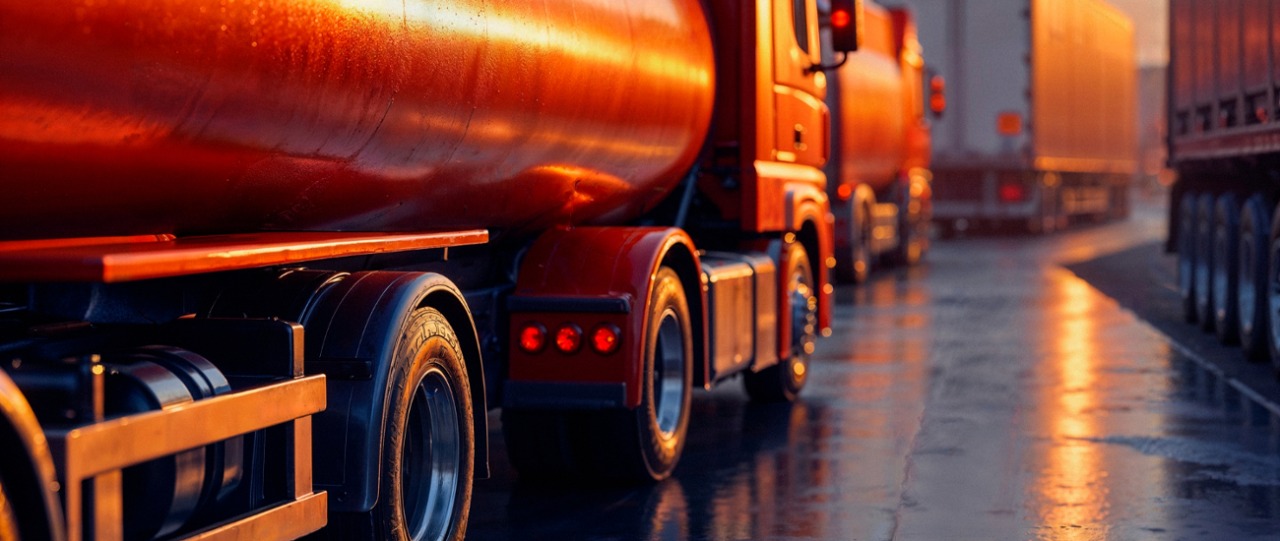
The global shift toward circular economy and decarbonization has made alternative fuel logistics one of the most critical and complex segments in modern supply chain management. Transporting refuse-derived fuel (RDF), solid recovered fuel (SRF), waste-derived fuels, and other alternative fuels demands a unique combination of specialized transport, secure fuel delivery, advanced waste logistics solutions, and rigorous supply chain management in recycling.
This in-depth article explores the operational, regulatory, and technological realities of moving both hazardous and non-hazardous alternative fuels from waste processing facilities to end users — particularly cement kilns that increasingly rely on these fuels to reduce fossil fuel consumption and CO₂ emissions.
The Challenges of Transporting Hazardous and Non-Hazardous Alternative Fuels
Moving alternative fuels is fundamentally different from conventional freight. Whether classified as hazardous (ADR/IMDG) or non-hazardous, these materials present a unique risk profile:
- Variable composition and quality: RDF and SRF can contain moisture levels from 10–40%, chlorine up to 1%, and traces of heavy metals. Even small deviations can render a batch unsuitable for cement kilns or trigger regulatory violations.
- Spontaneous combustion risk: Poorly managed RDF stockpiles and loads have been responsible for numerous truck and warehouse fires worldwide.
- Dust explosion hazard: Fine particles generated during loading/unloading require explosion-proof equipment and strict ATEX-zone compliance.
- Odor and pest attraction: Especially with non-dried municipal solid waste-derived fuels.
- Regulatory fragmentation: A single load may cross multiple jurisdictions with conflicting rules on waste vs. product classification (the eternal “end-of-waste” debate).
- Weight and volume inefficiency: Alternative fuels typically have lower calorific value and higher volume than coal, meaning more truck movements for the same energy output.
These factors demand far more than standard trucking — they require true specialized transport expertise.
Elshams’ State-of-the-Art Fleet and Secure Handling Protocols
Elshams Recycling, Egypt’s largest alternative fuel producer and logistics provider, has built what is widely regarded as the most advanced dedicated alternative fuel fleet in the MENA region.
Fleet Composition (2025)
- 180+ walking-floor trailers (90–100 m³) specifically designed for low-density RDF/SRF
- 45 bulk tipper trucks with sealed hydraulic covers for dust and odor containment
- 25 ADR-certified tankers for alternative liquid fuels (e.g., used cooking oil, animal fats)
- 15 container skeletal trailers for 20–40 ft sealed sea containers used in export movements
- Full GPS + temperature + humidity + fire-detection IoT monitoring on every vehicle
Security and Safety Protocols
- Triple-layer fire suppression systems (water mist + CO₂ + dry powder)
- Mandatory pre-loading moisture and chlorine testing with on-the-spot rejection capability
- Sealed loading halls with negative pressure and biofilters to eliminate odor escape
- Driver training academy certified under CEFIC Safety and Quality Assessment System (SQAS)
- 24/7 control tower with live camera feeds from every loading bay and vehicle
These investments have resulted in zero lost-time incidents involving alternative fuel transport since 2021 and a 41% reduction in insurance premiums compared to industry average.
Ensuring Timely and Efficient Delivery to Cement Plants
Cement kilns operate 24/7 with almost zero tolerance for fuel supply interruption. A single hour of downtime can cost $20,000–$50,000. This reality transforms alternative fuel logistics from a cost center into a mission-critical service.
Elshams achieves >99.7% on-time-in-full (OTIF) delivery through:
- Dedicated corridor planning: Pre-booked time slots at every cement plant gate, eliminating queue times.
- Buffer stockpiles: Strategically located 5,000–10,000-ton intermediate storage hubs within 50 km of major cement clusters.
- Dynamic routing powered by AI: Real-time adjustment for traffic, weather, or plant maintenance shutdowns.
- Dual-driver teams on long-haul routes (>300 km) to eliminate rest-stop delays.
- Reverse logistics synergy: Trucks returning from cement plants collect pre-processed waste from municipalities, maximizing asset utilization.
The result: some cement partners have completely phased out coal storage silos, relying 100% on just-in-time alternative fuel deliveries.
The Role of Optimized Logistics in the Waste-to-Energy Cycle
Superior logistics is not merely operational — it is the enabling backbone of the entire waste-to-energy ecosystem:
- Higher logistical reliability → waste processors can accept lower gate fees → municipalities divert more waste from landfills.
- Secure, traceable transport → regulators grant “end-of-waste” status faster → fuels achieve product rather than waste classification → lower taxes and administrative burden.
- Reduced transport emissions through backhauling and route optimization → strengthens the overall carbon footprint advantage of alternative fuels vs. fossil fuels.
- Data transparency (mass balance, GPS tracks, lab certificates) → builds trust with cement customers and ESG investors.
In short, world-class alternative fuel logistics closes the loop: it turns a potential environmental liability (municipal and industrial waste) into a reliable, low-carbon energy commodity.
Conclusion
Mastering alternative fuel transport is no longer optional for nations and industries serious about net-zero targets. It demands investment in specialized fleets, unbreakable safety protocols, digital visibility, and — above all — a mindset that treats waste-derived fuel with the same respect and precision as any premium energy product.
Companies like Elshams demonstrate that when RDF transport, secure fuel delivery, and **supply chain management in recycling are executed at the highest level, alternative fuels cease to be an “alternative” and become the new standard.
The future of heavy industry runs not on coal, not on oil, but on the flawless execution of the world’s most sophisticated waste logistics networks.